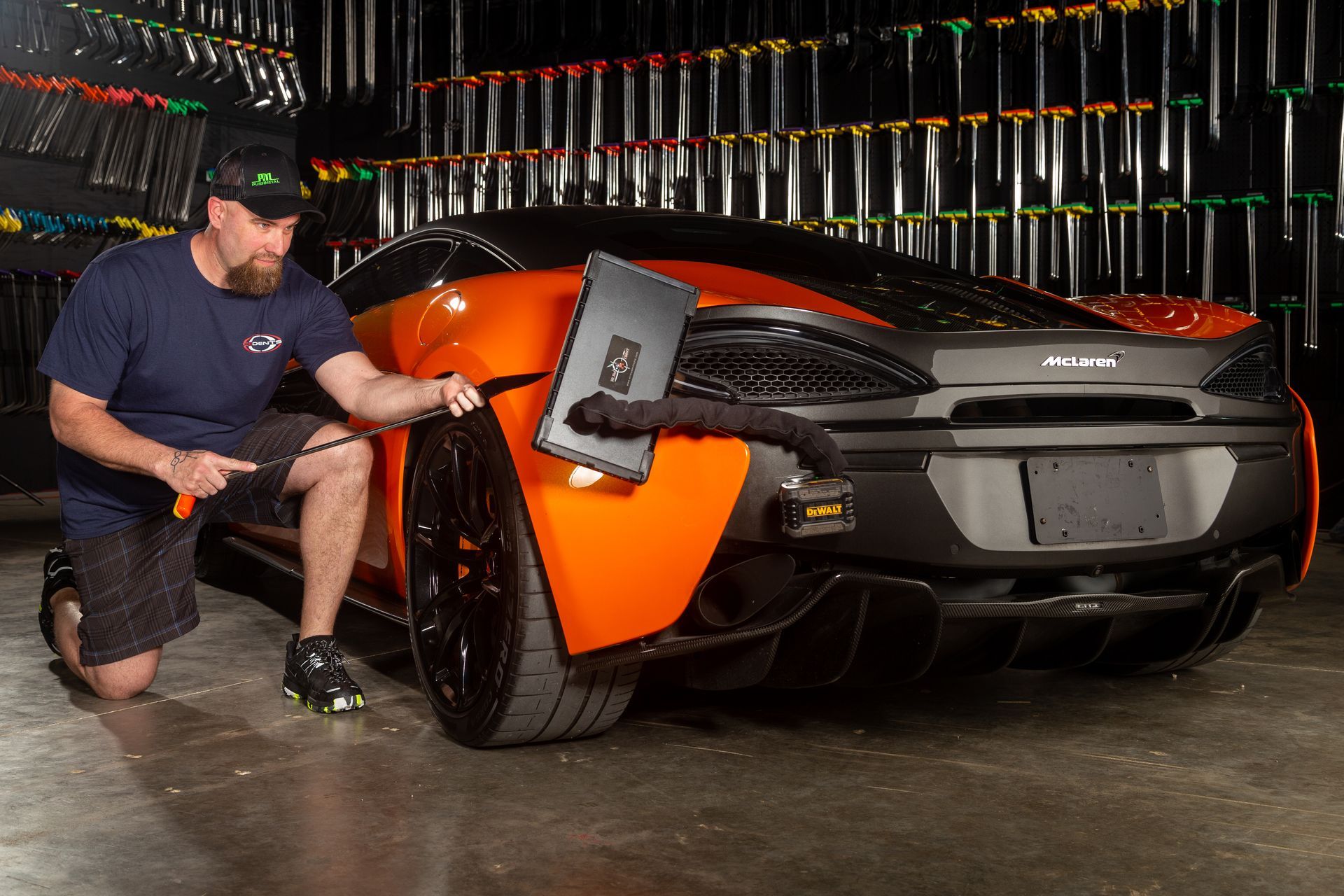
CD Dents technician using a specialized PDR tool to repair a dent on an orange vehicle

Contact Us

Paintless Dent Repair (PDR) technician massaging metal from behind the panel on an orange car

FEATURED REVIEWS

Why Choose CD Dents? 
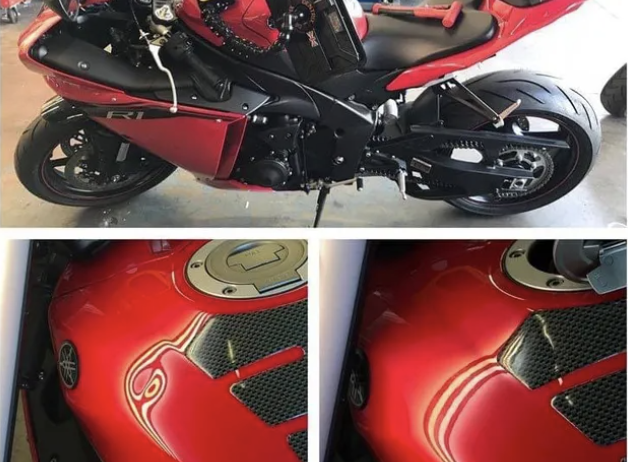
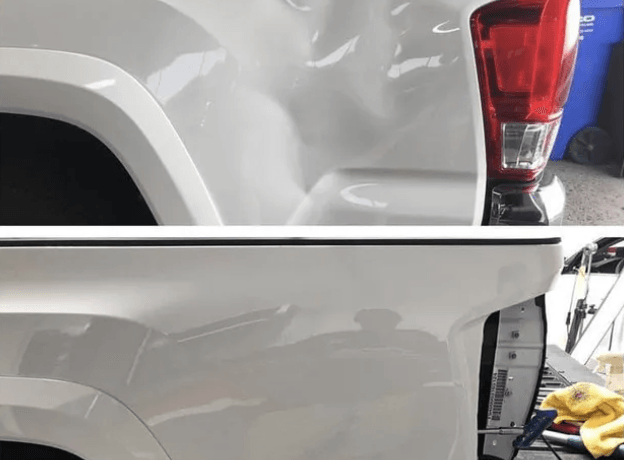
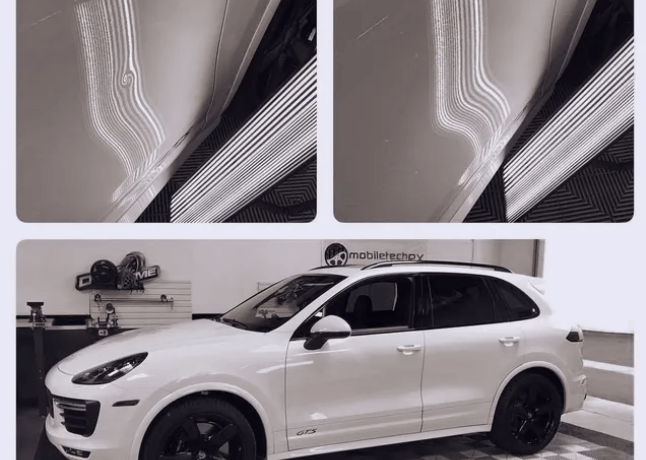
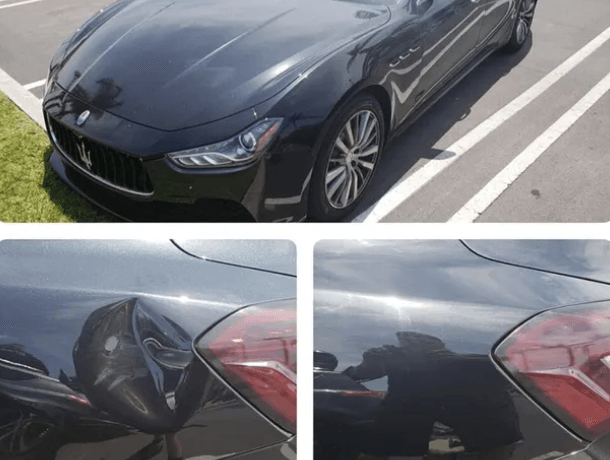
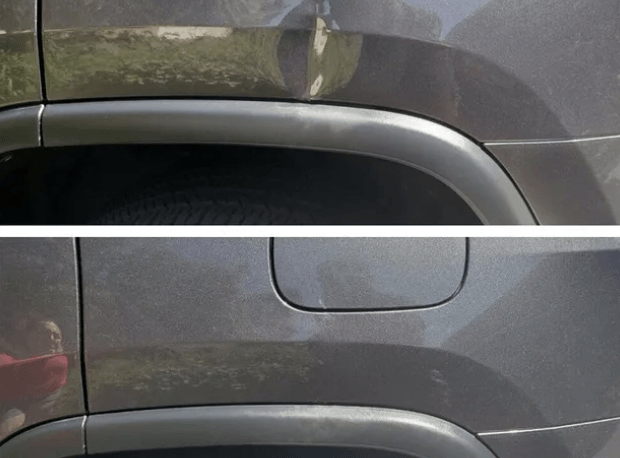
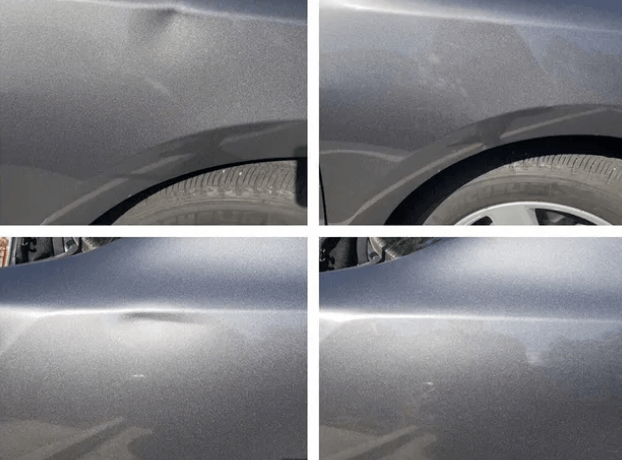
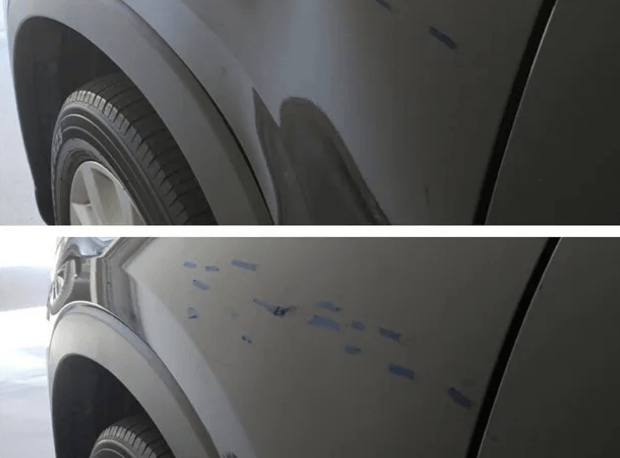
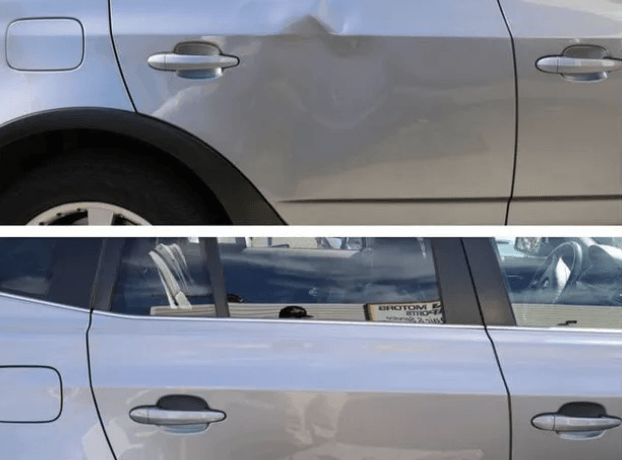
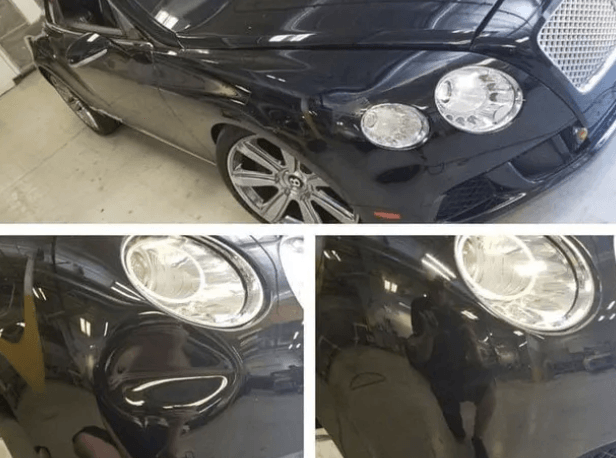
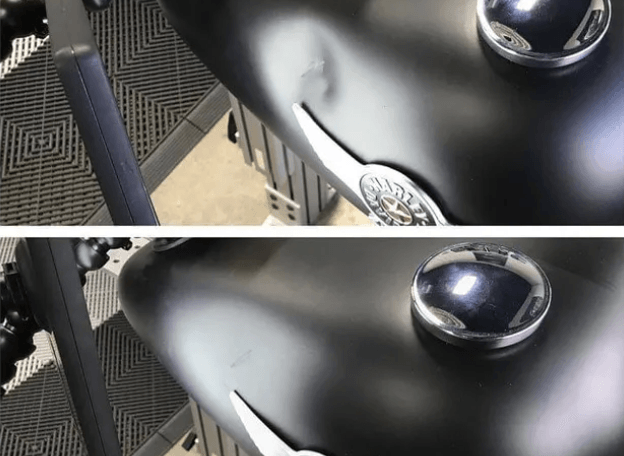
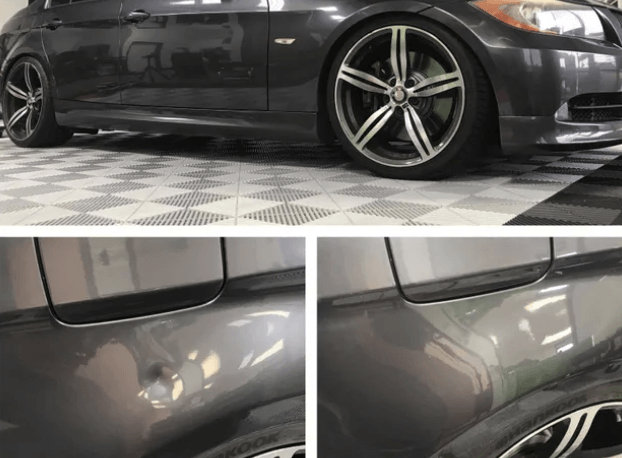
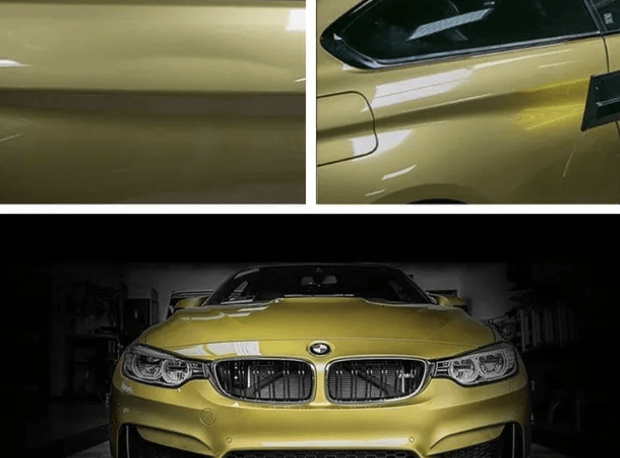
CD Dents Repair performing professional paintless dent repair, hail damage removal, paint chip touch-up, and door edge protection services in Midland, Saginaw, and Sanford, MI—showing technicians, repair tools, and before-and-after results

At CD Dents, we proudly serve the Midland, Michigan, Saginaw, Michigan, and Sanford, Michigan areas, helping vehicle owners restore their cars to pre-damage condition using an advanced method known as Paintless Dent Repair (PDR). Unlike traditional body shops that rely on body fillers, sanding, and repainting, PDR maintains your original factory finish, preserving your vehicle’s value while saving you time and money.


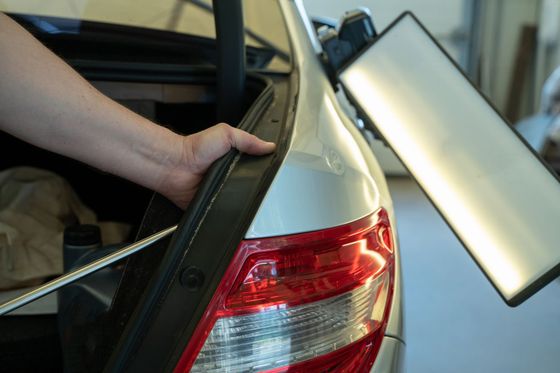
Our team of highly trained and experienced PDR technicians approaches each repair as both a science and an art. With the use of specially designed tools, we skillfully access the backside of the dented panel and carefully massage the metal back to its original shape—without affecting the paint. This process requires precision, technique, and a trained eye, all of which our technicians have refined through years of experience and thousands of repairs.


Whether you’re dealing with door dings, creases, minor bumps, or extensive hail damage, our team is equipped to handle it. At CD Dents, we’ve earned a reputation for taking on the types of damage that many other shops walk away from. If another repair shop has told you your dent is “unrepairable,” don’t count yourself out—let our experts take a look first. You might be surprised at what we can do.


Is Your Vehicle a Candidate for Paintless Dent Repair?


If your vehicle’s original paint is intact—with no cracking, flaking, or deep scratches—then chances are very high that PDR is the ideal solution. This method works exceptionally well on aluminum and steel panels across nearly all makes and models, from compact cars to full-size trucks and SUVs.


Still unsure? That’s what we’re here for. Our team is happy to offer a free inspection, where we’ll assess the damage and let you know if your vehicle qualifies for PDR. We’ll walk you through the process and provide a transparent, no-pressure estimate.


At CD Dents, we combine cutting-edge technology, expert craftsmanship, and old-school integrity to deliver high-quality results that speak for themselves. We treat every vehicle like it’s our own and every client like family. So, if you're in the Midland, Saginaw, or Sanford area and have dents or hail damage, don’t wait—reach out today and see why so many local drivers trust CD Dents for fast, flawless dent removal.

CD Dents Repair performing professional paintless dent repair, hail damage removal, paint chip touch-up, and door edge protection services in Midland, Saginaw, and Sanford, MI—showing technicians, repair tools, and before-and-after results

Paintless Dent Repair

At CD Dents, we specialize in Paintless Dent Repair (PDR)—a modern, highly effective method for removing dents, dings, creases, and hail damage without using paint, fillers, or sanding. If your vehicle’s factory finish is still intact, PDR is the ideal solution to restore your car’s appearance while preserving its original value.


CONTACT US

Auto Hail Repair

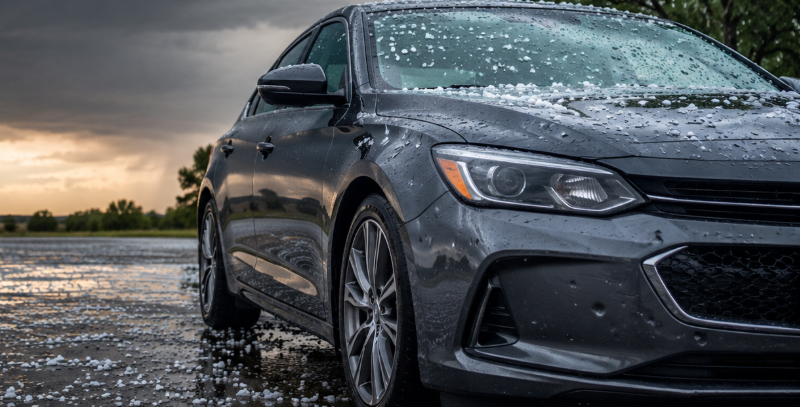
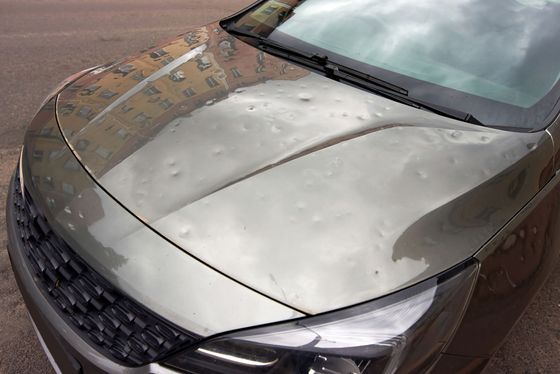
Hailstorms can cause thousands of dollars in damage in just a matter of minutes. At CD Dents, we specialize in Auto Hail Repair using advanced Paintless Dent Repair (PDR) methods that restore your vehicle without the need for body fillers, sanding, or repainting. If you’ve recently been caught in a hailstorm in the Midland, Saginaw, or Sanford, Michigan area, we’re here to help you get your vehicle back to perfect condition—quickly, professionally, and with no shortcuts.



CONTACT US
CD Dents Repair performing professional paintless dent repair, hail damage removal, paint chip touch-up, and door edge protection services in Midland, Saginaw, and Sanford, MI—showing technicians, repair tools, and before-and-after resultsCD Dents Repair performing professional paintless dent repair, hail damage removal, paint chip touch-up, and door edge protection services in Midland, Saginaw, and Sanford, MI—showing technicians, repair tools, and before-and-after results
FAMILY OWNED
CD Dents Repair performing professional paintless dent repair, hail damage removal, paint chip touch-up, and door edge protection services in Midland, Saginaw, and Sanford, MI—showing technicians, repair tools, and before-and-after results
LOCAL FAMILY OWNED
SERVICES
CD Dents Repair performing professional paintless dent repair, hail damage removal, paint chip touch-up, and door edge protection services in Midland, Saginaw, and Sanford, MI—showing technicians, repair tools, and before-and-after results

DOOR DINGS

CD Dents Repair performing professional paintless dent repair, hail damage removal, paint chip touch-up, and door edge protection services in Midland, Saginaw, and Sanford, MI—showing technicians, repair tools, and before-and-after results

HAIL DAMAGE

CD Dents Repair performing professional paintless dent repair, hail damage removal, paint chip touch-up, and door edge protection services in Midland, Saginaw, and Sanford, MI—showing technicians, repair tools, and before-and-after results

MOTORCYCLE

CD Dents Repair performing professional paintless dent repair, hail damage removal, paint chip touch-up, and door edge protection services in Midland, Saginaw, and Sanford, MI—showing technicians, repair tools, and before-and-after results

SHOPPING CARTS Dents

NEWS
By CD Dents March 30, 2026
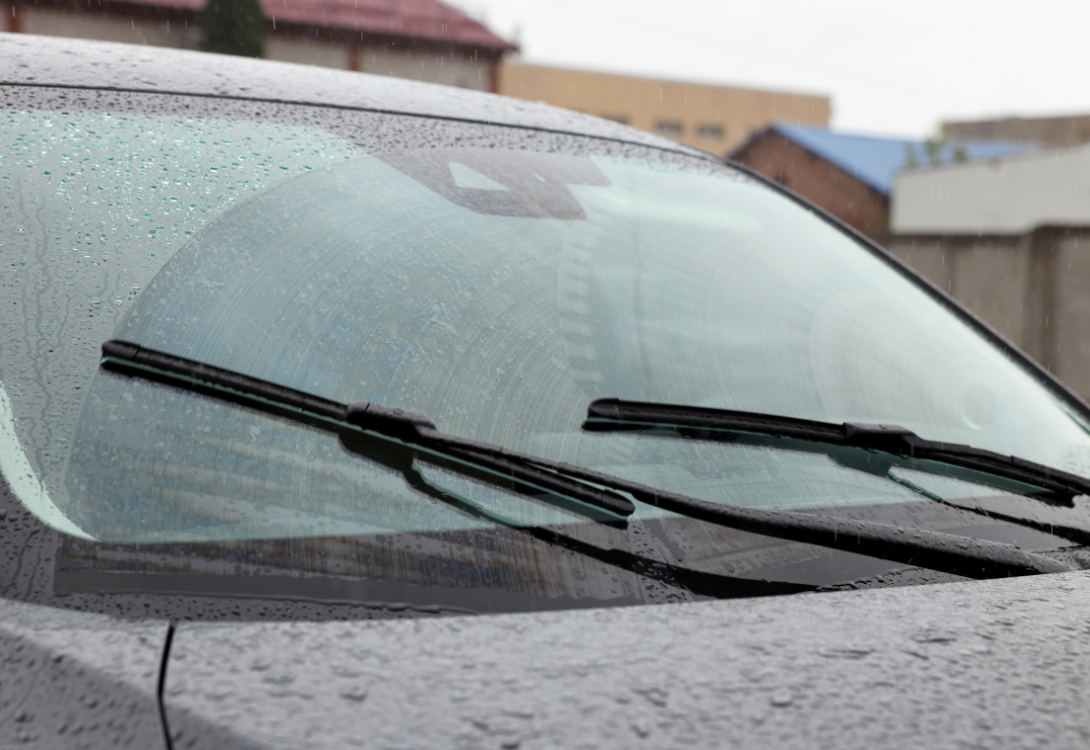
Severe thunderstorms can roll in fast—especially here in Michigan—and hail can cause damage in just minutes. If your vehicle gets caught in a storm, knowing what to do next can save you time, money, and stress. Storm systems moving through Michigan this week are expected to bring strong winds, heavy rain, and the potential for damaging hail , especially overnight into the early morning hours. Here’s a simple, no-nonsense guide to help you handle hail damage the right way. First Things First: Check Your Vehicle Safely
By CD Dents March 6, 2026
When most people hear paintless dent repair , they picture a tiny door ding or a small dent from a shopping cart. While those repairs are common, many people are surprised to learn that skilled technicians can use paintless dent repair to correct certain types of light collision damage . At CD Dents in Midland, Michigan , we regularly repair dents that go well beyond small dings. In many cases, panels that might normally be sent straight to a traditional body shop can actually be repaired using specialized paintless dent repair techniques.  What Is Light Collision Damage? Light collision damage refers to dents or panel damage caused by things like: • Backing into something at low speed • Minor parking lot accidents • Bumping another vehicle or object • Fender dents from tight parking situations • Panels pushed in from minor impacts While the damage may look significant at first glance, if the paint is still intact and the metal hasn't been severely stretched or torn , there’s a good chance paintless dent repair could be an option. When Paintless Dent Repair Works Best Paintless dent repair (PDR) works by carefully reshaping the metal from behind the panel using specialized tools and lighting. Because the factory paint remains untouched, it allows the panel to return to its original shape without fillers, sanding, or repainting. This approach works best when: • The factory paint is still in good condition • The metal has not been excessively stretched • The panel is not sharply creased beyond repair • The damage is not heavily crumpled or crushed Many minor collision dents, larger door impacts, and fender damage can still qualify for paintless dent repair depending on the severity. Why Many Customers Choose PDR Before a Body Shop Before committing to traditional collision repair, many vehicle owners stop by CD Dents to see if paintless dent repair is possible. Here’s why: Preserves your original factory paint Factory paint is incredibly durable and difficult to perfectly replicate with repainting. Lower repair costs Because paint and body fillers are not required, repairs are often more affordable. Faster turnaround times Many light collision repairs can be completed in a fraction of the time compared to traditional body shop work. Maintains vehicle value Keeping original paint can help preserve resale value and avoid repaint records. Not All Damage Qualifies — But It’s Worth Getting It Checked While paintless dent repair can handle more than most people expect, there are limits. If a panel is severely crushed, torn, or the paint has been heavily damaged , traditional collision repair may still be the best route. That said, many dents that initially appear severe are actually great candidates for PDR once properly evaluated . Serving Midland and Surrounding Communities At CD Dents , we specialize in professional paintless dent repair for customers throughout: • Midland • Saginaw • Bay City • Freeland • Sanford • and surrounding Mid-Michigan communities If you’ve experienced minor collision damage, larger dents, or parking lot impacts , it’s always worth having a trained technician take a look before heading straight to a body shop. Get a Professional Evaluation Not sure if your damage qualifies for paintless dent repair? Stop by CD Dents or send us a photo of the damage and we can help you determine the best repair option for your vehicle. You might be surprised at what can be repaired without paint, fillers, or traditional body work.
By CD Dents January 19, 2026
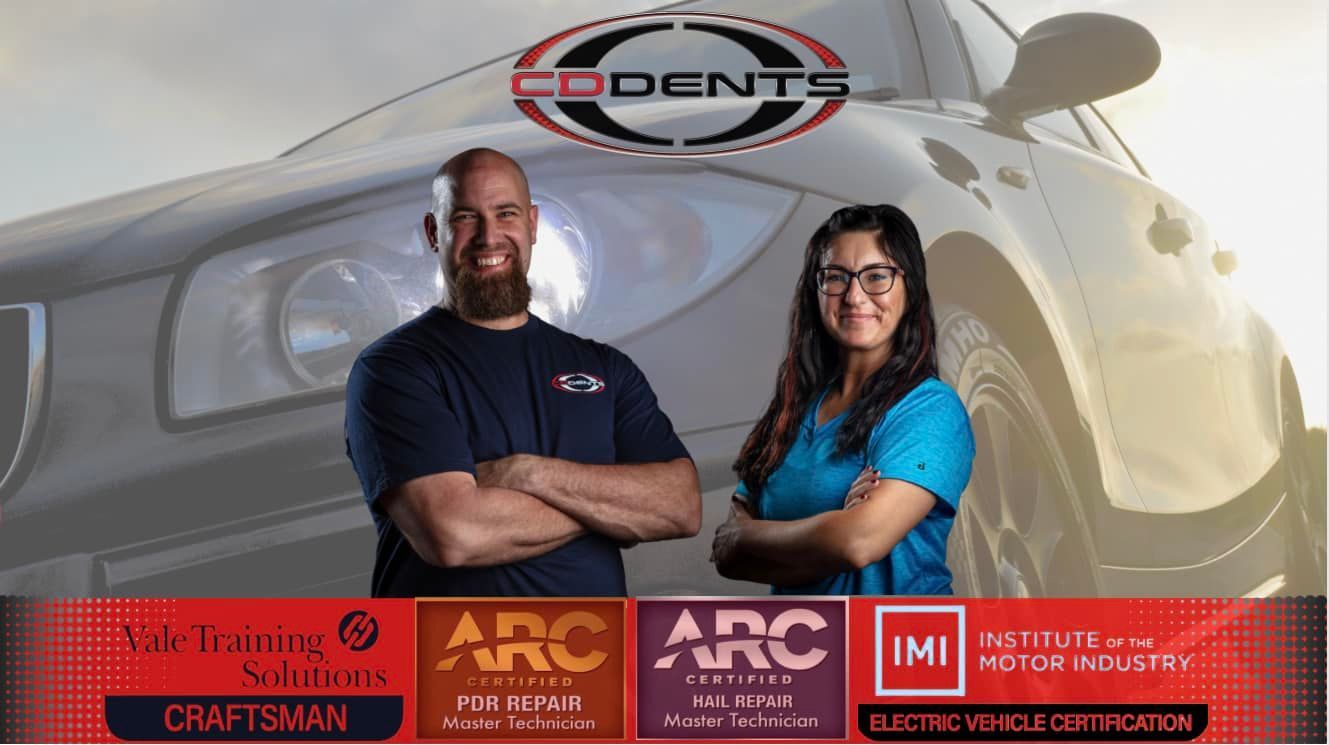
If you’ve ever searched for paintless dent repair (PDR), you’ve probably seen technicians toss around acronyms like confetti— ASE , ARC , “master tech,” “certified,” and more. The problem is: not all certifications measure the same thing , and some are way more relevant to PDR quality than others. This article breaks down ASE vs. ARC in plain English, so you can spot the difference between real proof and fancy words. First: What PDR Really Is (and why skill matters so much) Paintless dent repair isn’t “bodywork without paint.” It’s a precision craft. In simple terms, PDR is removing dents by pushing or pulling the metal without damaging the finish . That “without damaging the finish” part is huge—because in PDR, the goal isn’t just “dent is smaller.” The goal is the panel looks right under lighting, at angles, and in the sun. That’s where experience and true workmanship separate the pros from the pretenders. What ASE Certification Means (and what it doesn’t mean for PDR) What ASE is ASE (Automotive Service Excellence) is a major automotive credential system that verifies technical knowledge through testing , across many categories like automotive repair, collision repair, trucks, etc. How ASE certification is earned To become ASE certified, a person must: Pass an ASE test , and Prove relevant hands-on work experience (or a mix of training + experience depending on the track). Important detail: ASE states you can take tests before you meet the experience requirement, but you don’t earn certification until the experience requirement is fulfilled —and ASE notes it can verify job history and deny certification for misleading experience claims. Recertification / staying current ASE certifications are typically valid for 5 years and require passing a recertification test to remain current. Where ASE helps (for PDR customers) ASE can be a positive sign that a technician has broad automotive knowledge—systems, diagnostics, repair theory, collision-related fundamentals, etc. Where ASE falls short (specifically for PDR workmanship) Here’s the key: ASE is not a PDR-specific quality credential. It’s primarily about technical knowledge verified by testing. PDR is a visual, hands-on finishing craft. A written/knowledge-based credential doesn’t automatically prove someone can: finish a bodyline cleanly, avoid micro-highs, match texture, control push marks, or make it look right under a line light. So: ASE can be great , but it’s not the “gold standard” for proving PDR results. What ARC Certification Means (and why it’s more directly tied to PDR quality) What ARC is In the PDR world, ARC Certified describes itself as a not-for-profit organization based in the U.S. (Tennessee) and open to qualifying U.S. PDR technicians. How ARC certification is different ARC states its certification uses visual confirmation over multiple transactions as a key part of candidacy. That matters because in PDR, the “truth” is the finished panel—not just what someone knows, but what they can repeatedly produce. ARC also states: Only expert and Master technicians are recognized in ARC programs. ARC membership aims to maintain minimum professional standards and workplace consistencies in the PDR trade. ARC positions itself as an “agenda free” platform serving members. Customer-friendly translation ARC is essentially saying: “We’re looking at real repairs—more than once—not just a test score.” That’s exactly what customers should care about in PDR. The Simple Comparison (customer version) ASE answers: “Does this person have verified automotive technical knowledge + documented experience?” ARC answers: “Can this technician consistently produce high-level PDR results that hold up visually across real repairs?” Both can be valuable—but only one is built around PDR outcomes . Why ARC is often more important than ASE when the job is PDR Let’s say you’re hiring someone to do a high-end kitchen remodel. ASE is like: “They passed building code tests and have verified construction experience.” ARC is like: “We’ve seen their finished kitchens multiple times, and the craftsmanship checks out.” PDR is craftsmanship. The final result is what you live with every time you walk up to your vehicle. Because ARC emphasizes visual confirmation across real-world repairs , it aligns with what you actually need from a PDR tech: a clean, consistent finish —not just confidence and vocabulary. How people “throw terms around” (and how to protect yourself) Here are common ways customers get fooled: “Certified” (but they can’t explain who certified them or what the process was) Dropping acronyms (ASE, “master,” “level 3,” etc.) with no proof Over-promising: “It’ll be perfect no matter what” (real pros talk about limits and expectations) What you should ask (quick checklist) “Are you ARC Certified—and can you show me your listing/verification?” (ARC has “Verify Technician” on its site.) “Can I see before/after photos of damage like mine—bodyline, hail, door ding?” “Will the repair keep my factory finish intact if the paint isn’t broken?” (That’s the core promise of PDR when damage qualifies.) “How will you repair it—push from behind, pull from outside, or a mix?” (PDR is commonly pushing or pulling without damaging finish.) “What are the limits—when does a dent become ‘push to paint’ or not a PDR candidate?” A trustworthy tech explains this clearly. Bottom line If your repair is paintless dent repair , you should prioritize proof that’s PDR-specific and finish-focused . ASE can indicate broad automotive credibility, testing, and verified experience. ARC is designed around PDR standards and visual confirmation of real repairs , which makes it more directly meaningful for PDR customers. If you want, I can tailor this into a CD Dents-branded blog post with your voice (Michigan/local tone, your service process, your “what to ask” checklist, and a clean CTA) and also create a shorter “quick read” version for Google Business + Facebook.