Before Michigan Winter Hits: 7 Things to Check on Your Vehicle After Summer Storm Season

Before Michigan Winter: Vehicle Damage Checklist | Midland MI

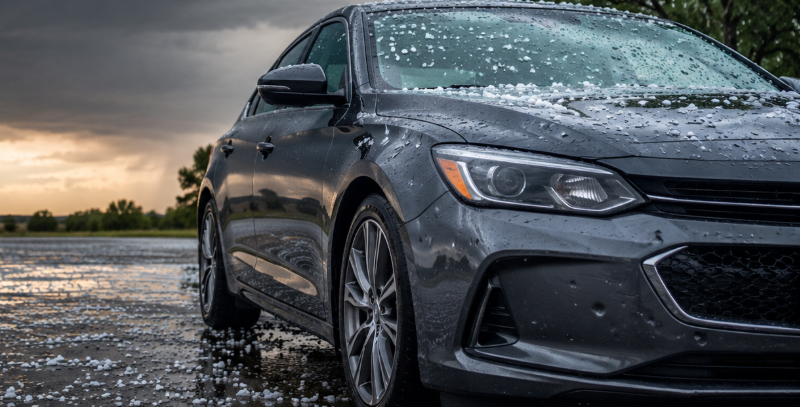
Summer in Mid-Michigan can be hard on a vehicle. Between thunderstorms, hail, high winds, fallen branches, road construction, parking lots, weekend travel, and everyday driving, your vehicle may have picked up more cosmetic damage than you realize. Then fall arrives temperatures start dropping, daylight gets shorter, and before long we are back into snow, road salt, freezing rain, slush, and winter driving. That makes early fall a great time to give your vehicle a closer look.


At CD Dents in Midland, Michigan, we regularly see dents, chips, and other exterior damage that customers did not notice when it first happened. Sometimes hail damage only becomes obvious after the vehicle is washed. Sometimes a paint chip is hidden under dirt. Sometimes a door ding blends into the reflection until the lighting is just right.


Before winter settles in, here are seven areas worth checking.


1. Look Closely at the Hood and Roof for Hail Damage

Hail dents are not always obvious.


A vehicle can go through a summer storm and appear undamaged at first glance, especially when:

  • The vehicle is dirty
  • The paint is light-colored
  • The damage is shallow
  • The dents are spread across a large area
  • The vehicle is parked outdoors in uneven lighting
  • Metallic paint reflections hide the low areas


The hood and roof are two of the first places to inspect. Stand several feet away and look across the panel rather than directly down at it. Reflections can make small dents easier to see.


You may notice:

  • Small round low spots
  • Wavy reflections
  • Groups of dents
  • Distortion around bodylines
  • Damage near roof rails
  • Dents on the trunk or liftgate


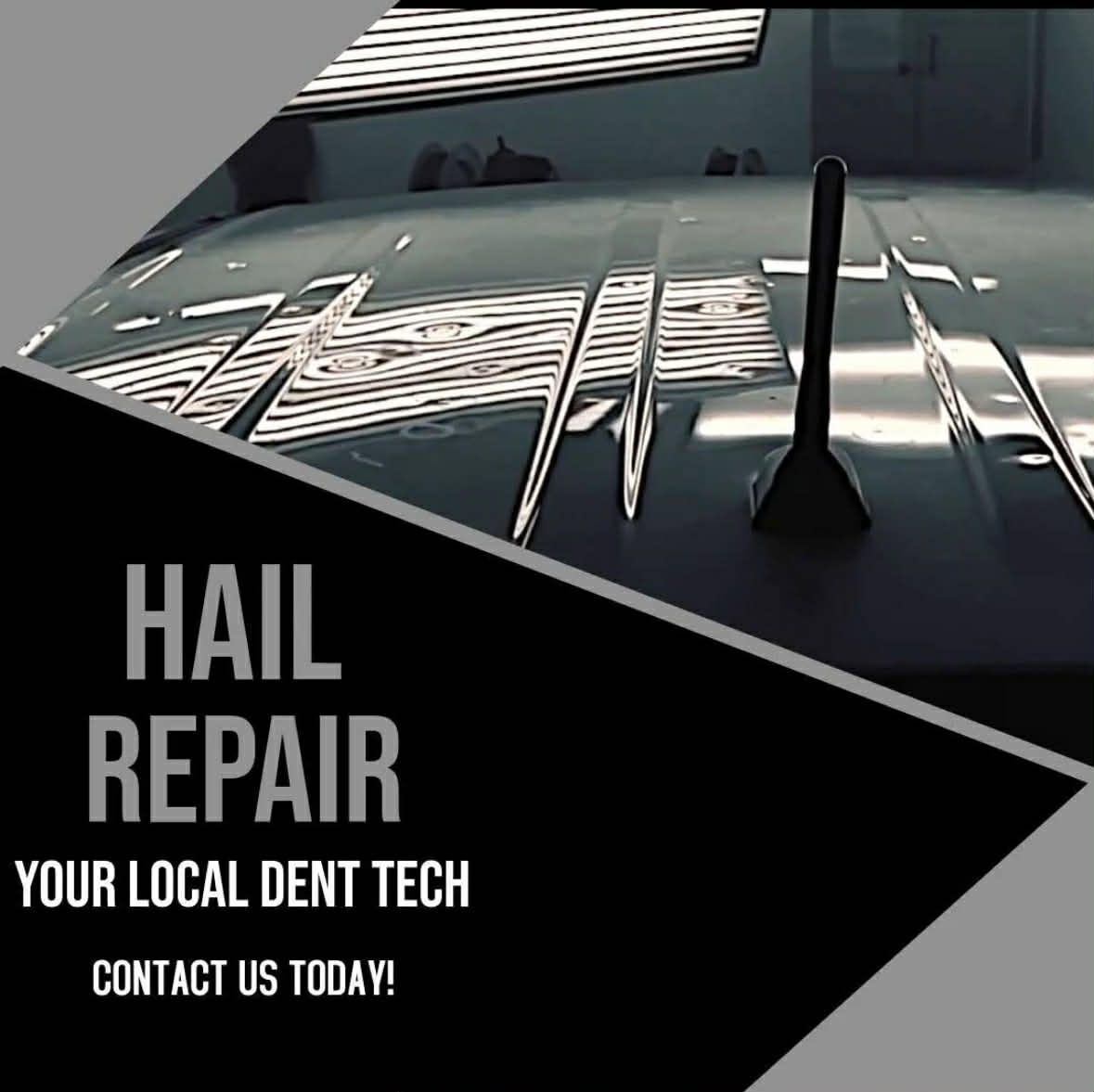
Professional Paintless Dent Repair lighting can reveal damage that may be difficult to see outdoors. If your vehicle was parked outside during one of Mid-Michigan’s summer storms, a quick inspection can help determine whether any hail damage was left behind.


2. Check Paint Chips Before Winter Salt Arrives

Paint chips are easy to overlook because they are often small. However, when a chip breaks through the protective paint layers and exposes steel underneath, the area can become vulnerable to moisture and corrosion.


Michigan winter conditions can be especially hard on exposed areas because vehicles are regularly exposed to:

  • Road salt
  • Slush
  • Snow
  • Moisture
  • Freeze-thaw cycles
  • Road debris
  • Sand and grit


Common paint chip areas include:

  • Hood edge
  • Front fenders
  • Rocker panels
  • Door edges
  • Mirror caps
  • Lower doors
  • Wheel openings
  • Tailgates and liftgates


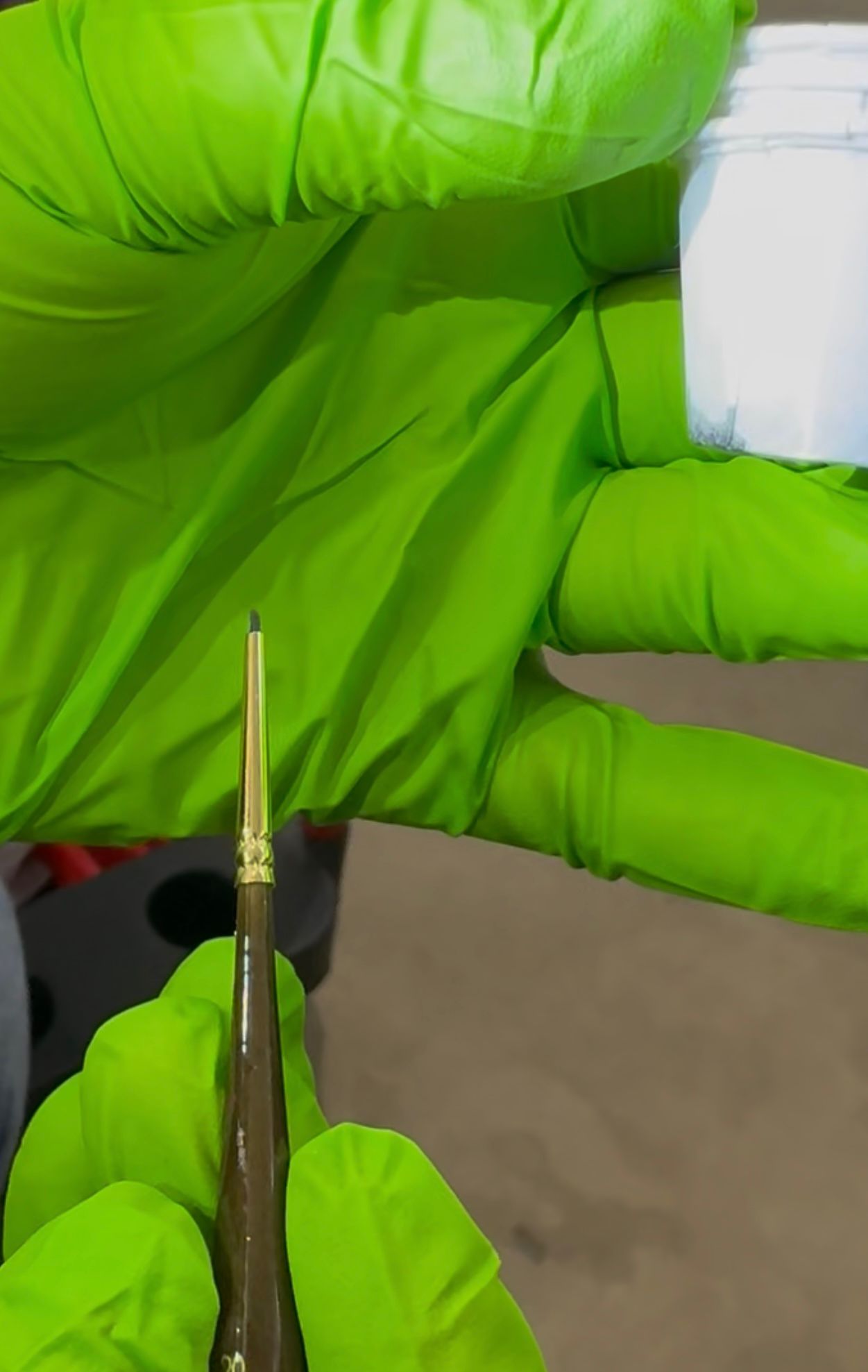
Paint touch-up is not the same as refinishing an entire panel. It is a more targeted approach designed to improve and help protect individual chips and minor scratches.


At CD Dents, we offer professional paint chip and minor scratch touch-up for customers who want to address these areas without  repainting the whole panel.


3. Inspect Your Door Edges

Door edges take a surprising amount of abuse.


They can be damaged by:

  • Garage walls
  • Adjacent vehicles
  • Shopping carts
  • Tight parking spaces
  • Concrete
  • Storage items
  • Kids getting in and out
  • Everyday use


A small chip along a door edge may seem minor, but repeated exposure can make it worse over time.


Check the outer edge of each door for:

  • Missing paint
  • Small chips
  • Scratches
  • Previous touch-up failure
  • Exposed metal
  • Small dents near the edge


Door edges are also one of the areas where protection can help prevent future damage. CD Dents offers clear Door Edge Paint Protection Film that adds a nearly invisible protective layer to this high-contact area. For many customers, fall is a convenient time to combine dent repair, paint touch-up, and door edge protection before winter.


4. Look for Parking Lot Door Dings and Creases

Summer travel, festivals, concerts, shopping, sporting events, restaurants, and crowded parking lots can all increase the chances of door dings. A door ding can go unnoticed without looking for it.


Some of the most distracting dents are small dents located:

  • Near a door handle
  • On a bodyline
  • On a dark-colored vehicle
  • At eye level
  • In the middle of an otherwise clean panel
  • On the driver’s side


These dents are excellent candidates for Paintless Dent Repair when the paint remains intact and the metal is repairable. PDR allows the technician to carefully reshape the damaged area without sanding, filling, and repainting the panel. If there is also a chip or scratch in the dent, the dent and paint damage may require two separate services. That is one reason we offer combined dent and touch-up option at CD Dents.


5. Check Bumpers and Lower Panels for Summer Damage

Not all summer vehicle damage happens during storms.


Low-speed contact can occur from:

  • Parking blocks
  • Shopping carts
  • Garage objects
  • Bike racks
  • Trailer equipment
  • Loading and unloading
  • Road debris
  • Campers
  • Driveways


Take a look at your bumpers and lower body areas.


Look for:

  • Dents
  • Scrapes
  • Paint transfer
  • Distorted bumper sections
  • Cracks
  • Loose trim
  • Lower-panel dents


Some minor bumper dents may be repairable or improvable, depending on the material, location, and severity.

Paint transfer may sometimes look worse than the actual underlying damage and may respond to polishing or another cosmetic service. An inspection can help determine whether the damage needs repair, touch-up, polishing, replacement, or simply nothing at all.


6. Look Along Bodylines and Vehicle Reflections

One of the easiest ways to spot a dent is to look at the reflection across the side of the vehicle. Bodylines are the stamped creases and contours that give the vehicle its shape.


When a bodyline is dented, even slightly, the reflection may look:

  • Wavy
  • Flattened
  • Broken
  • Misaligned
  • Distorted


Bodyline dents can happen from:

  • Car doors
  • Shopping carts
  • Falling objects
  • Garage accidents
  • Minor impacts


Because bodylines are often stronger and more highly tensioned areas of the panel, these dents can be more involved than a similar dent located on an open, flatter section. That does not automatically mean the panel needs conventional body repair.

Many bodyline dents can still be repaired with Paintless Dent Repair, depending on the paint, metal condition, location, and access.


7. Decide What Is Worth Repairing Before Winter

Not every dent needs immediate repair. Not every scratch needs repainting. Not every cosmetic issue deserves a large repair bill. The important thing is understanding the damage. A minor dent with completely intact paint may simply be something you choose to fix because it bothers you. A paint chip exposing metal may be something you would rather address before another winter. A large dent on an older work truck may qualify for an improvement repair rather than a full cosmetic restoration. A newer vehicle may justify a more complete repair.


Before winter, consider:

  • Is the paint broken?
  • Is bare metal exposed?
  • Does the damage affect a door, hood, trunk, or tailgate?
  • Is the vehicle leased?
  • Are you planning to sell or trade soon?
  • Does the damage simply bother you every time you see it?
  • Would combining several small repairs make sense?


A free professional inspection can help you prioritize the damage without assuming everything needs to be repaired.


Why Fall Is a Good Time for Vehicle Cosmetic Repairs

Early fall provides a natural window between summer storm season and winter weather.


Addressing dents and chips now may help you:

  • Catch hail damage you missed earlier
  • Protect exposed paint
  • Improve the vehicle before winter
  • Prepare for holiday travel
  • Clean up summer parking lot damage
  • Prepare for a trade or sale
  • Handle small repairs before they become more annoying


It can also be easier to evaluate a vehicle before it is regularly covered in snow, road salt, and winter grime.


Paintless Dent Repair in Midland, Michigan


CD Dents provides professional Paintless Dent Repair, hail damage repair, paint chip touch-up, door ding repair, large dent repair, and other cosmetic vehicle services from our Midland, Michigan location.


We serve customers from:

  • Midland
  • Sanford
  • Saginaw
  • Bay City
  • Mount Pleasant
  • Surrounding Mid-Michigan communities


Our approach is simple: inspect the damage, explain the options, and help you decide what makes sense for your vehicle.

Sometimes that means a complete PDR repair.

Sometimes it means improving a larger dent.

Sometimes it means touching up a handful of chips before winter.

And sometimes the best advice is to leave something alone.


The goal is to give you enough information to make a good decision.


Frequently Asked Questions

Should I repair a dent before winter?

If the paint is intact, a cosmetic dent may not require immediate repair simply because winter is approaching. However, damage with chipped or cracked paint deserves closer attention because exposed steel can be vulnerable to moisture, road salt, and corrosion.

Can hail damage be difficult to see?

Yes. Small hail dents can be difficult to see outdoors, especially on dirty vehicles or under poor lighting. Specialized PDR lighting can make subtle damage much easier to identify.

Can CD Dents repair dents and paint chips at the same appointment?

In many cases, yes. Paintless Dent Repair corrects the metal while paint touch-up addresses missing paint. CD Dents offers services that can combine qualifying dent repair and paint touch-up.

Do small door dings need to be repaired?

Not necessarily. Door dings are usually cosmetic. Customers often repair them because they are noticeable, affect resale appearance, or simply bother them.

What if I only want a large dent to look better?

Some larger dents may qualify for an improvement-focused repair. This can be a good option for older vehicles, work trucks, or customers who want a meaningful improvement without pursuing the highest possible cosmetic result.


Give Your Vehicle a Fall Checkup


Summer may be winding down, but it is worth looking back at what your vehicle went through over the last several months.

Storms, hail, gravel, parking lots, road trips, construction, and everyday use can all leave their mark.


Before Michigan winter arrives, take a few minutes to look closely at your:

hood, roof, doors, bodylines, door edges, bumpers, paint chips, and lower panels.


If you find something you want checked, bring it to CD Dents in Midland, Michigan. We can help you understand what can be repaired, what can be improved, what should be protected, and what may not need attention at all.


For More Info


By CD Dents July 28, 2026
Why Hail Damage Estimates Change
By CD Dents May 8, 2026
CD Dents Announces New Spring Hours for Estimates & Vehicle Pickups
By CD Dents March 30, 2026
Severe thunderstorms can roll in fast—especially here in Michigan—and hail can cause damage in just minutes. If your vehicle gets caught in a storm, knowing what to do next can save you time, money, and stress. Storm systems moving through Michigan this week are expected to bring strong winds, heavy rain, and the potential for damaging hail , especially overnight into the early morning hours. Here’s a simple, no-nonsense guide to help you handle hail damage the right way. First Things First: Check Your Vehicle Safely
By CD Dents March 6, 2026
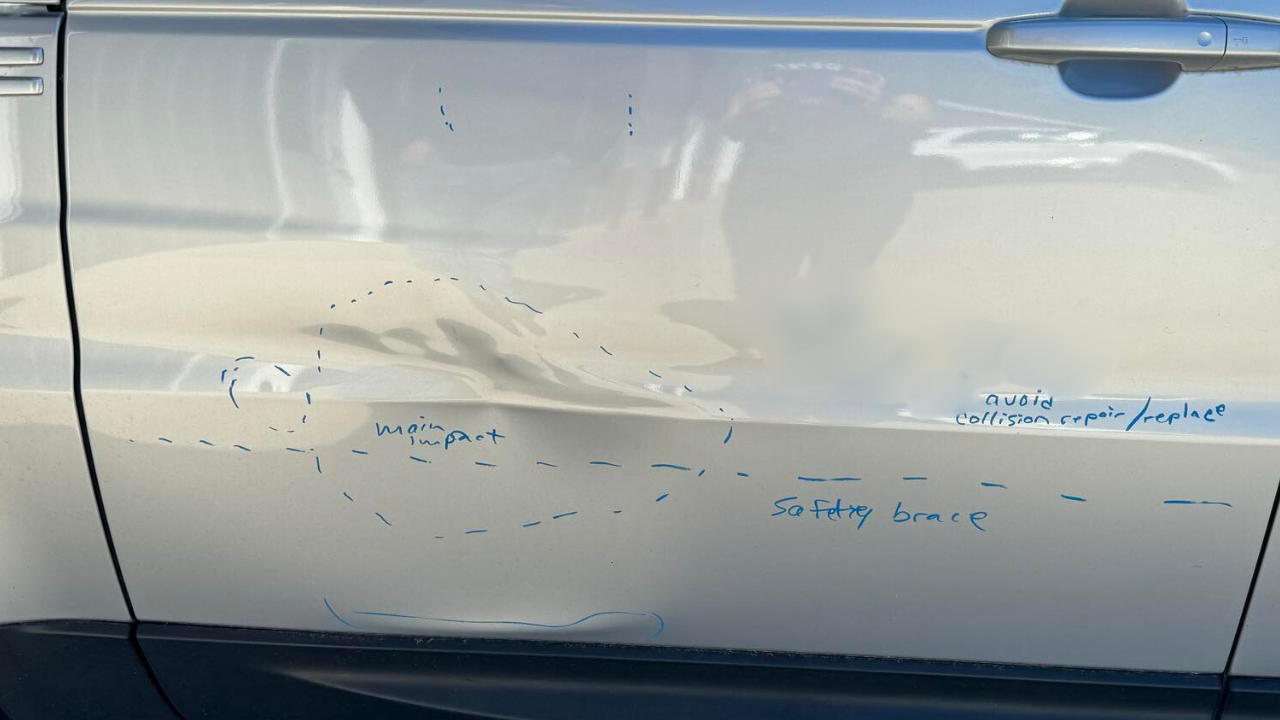
When most people hear paintless dent repair , they picture a tiny door ding or a small dent from a shopping cart. While those repairs are common, many people are surprised to learn that skilled technicians can use paintless dent repair to correct certain types of light collision damage . At CD Dents in Midland, Michigan , we regularly repair dents that go well beyond small dings. In many cases, panels that might normally be sent straight to a traditional body shop can actually be repaired using specialized paintless dent repair techniques.  What Is Light Collision Damage? Light collision damage refers to dents or panel damage caused by things like: • Backing into something at low speed • Minor parking lot accidents • Bumping another vehicle or object • Fender dents from tight parking situations • Panels pushed in from minor impacts While the damage may look significant at first glance, if the paint is still intact and the metal hasn't been severely stretched or torn , there’s a good chance paintless dent repair could be an option. When Paintless Dent Repair Works Best Paintless dent repair (PDR) works by carefully reshaping the metal from behind the panel using specialized tools and lighting. Because the factory paint remains untouched, it allows the panel to return to its original shape without fillers, sanding, or repainting. This approach works best when: • The factory paint is still in good condition • The metal has not been excessively stretched • The panel is not sharply creased beyond repair • The damage is not heavily crumpled or crushed Many minor collision dents, larger door impacts, and fender damage can still qualify for paintless dent repair depending on the severity. Why Many Customers Choose PDR Before a Body Shop Before committing to traditional collision repair, many vehicle owners stop by CD Dents to see if paintless dent repair is possible. Here’s why: Preserves your original factory paint Factory paint is incredibly durable and difficult to perfectly replicate with repainting. Lower repair costs Because paint and body fillers are not required, repairs are often more affordable. Faster turnaround times Many light collision repairs can be completed in a fraction of the time compared to traditional body shop work. Maintains vehicle value Keeping original paint can help preserve resale value and avoid repaint records. Not All Damage Qualifies — But It’s Worth Getting It Checked While paintless dent repair can handle more than most people expect, there are limits. If a panel is severely crushed, torn, or the paint has been heavily damaged , traditional collision repair may still be the best route. That said, many dents that initially appear severe are actually great candidates for PDR once properly evaluated . Serving Midland and Surrounding Communities At CD Dents , we specialize in professional paintless dent repair for customers throughout: • Midland • Saginaw • Bay City • Freeland • Sanford • and surrounding Mid-Michigan communities If you’ve experienced minor collision damage, larger dents, or parking lot impacts , it’s always worth having a trained technician take a look before heading straight to a body shop. Get a Professional Evaluation Not sure if your damage qualifies for paintless dent repair? Stop by CD Dents or send us a photo of the damage and we can help you determine the best repair option for your vehicle. You might be surprised at what can be repaired without paint, fillers, or traditional body work.
By CD Dents January 19, 2026
If you’ve ever searched for paintless dent repair (PDR), you’ve probably seen technicians toss around acronyms like confetti— ASE , ARC , “master tech,” “certified,” and more. The problem is: not all certifications measure the same thing , and some are way more relevant to PDR quality than others. This article breaks down ASE vs. ARC in plain English, so you can spot the difference between real proof and fancy words. First: What PDR Really Is (and why skill matters so much) Paintless dent repair isn’t “bodywork without paint.” It’s a precision craft. In simple terms, PDR is removing dents by pushing or pulling the metal without damaging the finish . That “without damaging the finish” part is huge—because in PDR, the goal isn’t just “dent is smaller.” The goal is the panel looks right under lighting, at angles, and in the sun. That’s where experience and true workmanship separate the pros from the pretenders. What ASE Certification Means (and what it doesn’t mean for PDR) What ASE is ASE (Automotive Service Excellence) is a major automotive credential system that verifies technical knowledge through testing , across many categories like automotive repair, collision repair, trucks, etc. How ASE certification is earned To become ASE certified, a person must: Pass an ASE test , and Prove relevant hands-on work experience (or a mix of training + experience depending on the track). Important detail: ASE states you can take tests before you meet the experience requirement, but you don’t earn certification until the experience requirement is fulfilled —and ASE notes it can verify job history and deny certification for misleading experience claims. Recertification / staying current ASE certifications are typically valid for 5 years and require passing a recertification test to remain current. Where ASE helps (for PDR customers) ASE can be a positive sign that a technician has broad automotive knowledge—systems, diagnostics, repair theory, collision-related fundamentals, etc. Where ASE falls short (specifically for PDR workmanship) Here’s the key: ASE is not a PDR-specific quality credential. It’s primarily about technical knowledge verified by testing. PDR is a visual, hands-on finishing craft. A written/knowledge-based credential doesn’t automatically prove someone can: finish a bodyline cleanly, avoid micro-highs, match texture, control push marks, or make it look right under a line light. So: ASE can be great , but it’s not the “gold standard” for proving PDR results. What ARC Certification Means (and why it’s more directly tied to PDR quality) What ARC is In the PDR world, ARC Certified describes itself as a not-for-profit organization based in the U.S. (Tennessee) and open to qualifying U.S. PDR technicians. How ARC certification is different ARC states its certification uses visual confirmation over multiple transactions as a key part of candidacy. That matters because in PDR, the “truth” is the finished panel—not just what someone knows, but what they can repeatedly produce. ARC also states: Only expert and Master technicians are recognized in ARC programs. ARC membership aims to maintain minimum professional standards and workplace consistencies in the PDR trade. ARC positions itself as an “agenda free” platform serving members. Customer-friendly translation ARC is essentially saying: “We’re looking at real repairs—more than once—not just a test score.” That’s exactly what customers should care about in PDR. The Simple Comparison (customer version) ASE answers: “Does this person have verified automotive technical knowledge + documented experience?” ARC answers: “Can this technician consistently produce high-level PDR results that hold up visually across real repairs?” Both can be valuable—but only one is built around PDR outcomes . Why ARC is often more important than ASE when the job is PDR Let’s say you’re hiring someone to do a high-end kitchen remodel. ASE is like: “They passed building code tests and have verified construction experience.” ARC is like: “We’ve seen their finished kitchens multiple times, and the craftsmanship checks out.” PDR is craftsmanship. The final result is what you live with every time you walk up to your vehicle. Because ARC emphasizes visual confirmation across real-world repairs , it aligns with what you actually need from a PDR tech: a clean, consistent finish —not just confidence and vocabulary. How people “throw terms around” (and how to protect yourself) Here are common ways customers get fooled: “Certified” (but they can’t explain who certified them or what the process was) Dropping acronyms (ASE, “master,” “level 3,” etc.) with no proof Over-promising: “It’ll be perfect no matter what” (real pros talk about limits and expectations) What you should ask (quick checklist) “Are you ARC Certified—and can you show me your listing/verification?” (ARC has “Verify Technician” on its site.) “Can I see before/after photos of damage like mine—bodyline, hail, door ding?” “Will the repair keep my factory finish intact if the paint isn’t broken?” (That’s the core promise of PDR when damage qualifies.) “How will you repair it—push from behind, pull from outside, or a mix?” (PDR is commonly pushing or pulling without damaging finish.) “What are the limits—when does a dent become ‘push to paint’ or not a PDR candidate?” A trustworthy tech explains this clearly. Bottom line If your repair is paintless dent repair , you should prioritize proof that’s PDR-specific and finish-focused . ASE can indicate broad automotive credibility, testing, and verified experience. ARC is designed around PDR standards and visual confirmation of real repairs , which makes it more directly meaningful for PDR customers. If you want, I can tailor this into a CD Dents-branded blog post with your voice (Michigan/local tone, your service process, your “what to ask” checklist, and a clean CTA) and also create a shorter “quick read” version for Google Business + Facebook.
By CD Dents November 18, 2025
As Michigan gears up for another winter, drivers across the state are preparing for the same challenges we face every year: icy roads, freezing temps, slush, salt, and the never-ending battle to keep our vehicles clean and damage-free. Whether you commute daily, shuttle kids around town, or simply make the occasional trip across Midland, winter can take a real toll on your car’s appearance. At CD DENTS , we want to help you get ahead of the season with a few simple reminders, tips, and check-ins that will keep your vehicle in great shape — and keep you safe on the road. 1. Road Slush & Salt: Michigan’s Winter Mix Isn’t Kind to Your Paint As soon as temps drop the roads are treated with salt. Add in melting snow, and suddenly your vehicle is getting blasted with a corrosive mix every time you drive. Salt and slush can: Eat away at your clear coat Cause rust to form faster Highlight scratches you didn’t even know you had Freeze inside door seams and fender edges Tip: Make regular car washes part of your winter routine — even weekly, if possible. Touchless washes are great for winter because they rinse off salt without adding new swirls or scratches. 2. Winter Reveals Scratches You Didn’t Notice Before Salt buildup makes tiny scratches more noticeable. Cold temps can also cause clear coat damage to spread faster. This is a great time to: Do a quick walk-around of your vehicle Look for scratches, chips, or scuffs Check areas like door edges, rocker panels, and around wheel wells If you spot something, don’t wait until spring — winter moisture can make even small damage worse. And remember: CD DENTS now offers premium paint touch-up with our Dr. ColorChip system as well as door edge protective film. If you find scratches, rock chips, or door edge wear, we’re here to help before it spreads. 3. Michigan’s Slippery Roads = More Small Accidents & Parking Lot Dings Winter driving increases: Slips on ice Sudden stops Minor collisions Parking lot slides Door dings from people losing their grip on their doors in windy, icy lots Even minor contact can cause dents — especially on bodylines, which many drivers don’t realize can be repaired with Paintless Dent Repair. Whether it’s a small ding, a winter slide-into-a-snowbank dent, or a sharper impact dent from icy roads, we can repair it quickly and often for much less than body shop prices . 4. Don’t Let Winter Wear Down Your Car — A Quick Check Now Saves Money Later Before things get too cold, take a moment to check: Tire pressure (it drops fast as temps fall) Windshield washer fluid (winter blend helps melt ice) Door seals (frozen seals can tear) Your battery’s health (cold kills weak batteries) And for appearance-related concerns: Look closely at your panels for dents Check for new scratches or chips Make sure winter grime isn’t hiding damage If you’re unsure what you’re looking at, snap a few photos and message us — we’re always happy to take a look. If Winter Damage Happens, CD DENTS Is Here to Help We hope you stay safe and damage-free this winter, but accidents happen — especially in Michigan. If you get: A new dent A door ding A parking lot mishap A bodyline dent Rock chips or scratches Scuffs from snowbanks CD DENTS can repair it. Our Paintless Dent Repair, Dr. ColorChip paint touch-up system, and door edge protective film services will get your vehicle back to looking its best quickly and affordably. Winter is tough on cars — but you don’t have to deal with the damage alone.
By CD Dents August 26, 2025
Why Paint Chips Are More Than Just Cosmetic Every car owner has experienced it—those small, annoying paint chips caused by rocks, road salt, or everyday driving. While they may seem like just a minor cosmetic flaw, paint chips do much more than affect your vehicle’s appearance. Left untreated, chips expose the metal underneath your paint to moisture, salt, and debris, which can quickly lead to rust, corrosion, and long-term damage. At CD Dents in Midland, Michigan , we believe in tackling these small problems before they become costly repairs. That’s why we now offer professional paint chip touch-up services using the trusted Dr. ColorChip® system. What Is Dr. ColorChip®? Dr. ColorChip® is an advanced automotive paint system designed to blend seamlessly with your vehicle’s factory color . Unlike traditional dab-and-smear touch-up kits, this system uses a base coat/clear coat mix that bonds directly to the chip, filling it in and sealing it from moisture. At CD Dents, we stock 100 of the most popular OEM colors and can also custom order paint matched to your exact vehicle paint code . That means whether you drive a bright red Mustang or a metallic silver truck, we can achieve a finish that looks natural—not blotchy. Why Choose Professional Paint Chip Repair? DIY kits may seem like an easy fix, but the results are often uneven and don’t provide full protection. Here’s why our professional process with Dr. ColorChip® stands out: Color-Matched Precision – Your paint chip is filled and blended using OEM-matched colors. Rust Prevention – Chips are sealed tight to stop moisture and salt from penetrating. Improved Appearance – No more white or dark spots showing through your paint. Cost Savings – Fixing chips now avoids expensive repainting or rust repair later. Our Paint Chip Repair Packages We understand every vehicle has a different level of damage. That’s why we offer flexible packages starting as low as $99: Level 1: Spot Touch-Up – For just a few chips in common areas like hoods and doors. Level 2: Enhanced Protection – Covers multiple areas with higher chip counts. Level 3: Full Revive – Ideal for heavily chipped front ends, restoring a smooth finish across your vehicle. Combine with Our “Dents & Chips” Package Want even more savings? Ask about our Dents & Chips package , which bundles paintless dent repair and paint touch-up services. It’s the perfect way to restore your car’s body from multiple angles—smooth dents, seal chips, and leave your vehicle looking refreshed. Protect Your Investment Today Your car is one of your biggest investments—don’t let small paint chips turn into big problems. At CD Dents in Midland, MI, our Dr. ColorChip® paint touch-up service is fast, affordable, and designed to keep your vehicle looking great while protecting it from rust and long-term damage. 📞 Call us today at 989-488-7960 or request a free estimate online to schedule your appointment.
August 4, 2025
Owning a Mercedes-Benz C-Class means you appreciate luxury, precision, and performance. But even the finest vehicles aren’t immune to the unpredictable force of nature—especially hailstorms. At CD Dents, we recently restored a 2022 Mercedes-Benz C 300 that suffered moderate hail damage during a severe storm in the Midland, Michigan area. The results were flawless—and we didn’t touch a drop of paint. The Challenge: Hail Damage Without Compromise This client’s C-Class had visible dents on the hood, roof, and trunk lid. The damage was typical of a fast-moving storm: dozens of small to medium-sized dents—but fortunately, no paint was cracked or chipped. That made the vehicle a perfect candidate for Paintless Dent Repair (PDR). Our client’s top concern? Maintaining the factory finish and ensuring no signs of repair would ever show. We completely understood. A high-end vehicle like a Mercedes demands expert care, and our technicians delivered just that. Why PDR Is the Best Option for Mercedes Hail Repair Mercedes-Benz panels are made with high-strength materials, and on modern models like the C-Class, some components may even be aluminum. That means PDR requires a skilled hand, advanced tools, and a deep understanding of body panel tension. Our team has repaired hundreds of high-end vehicles, and we brought that same level of precision to this job. Using specialized lights and access tools, we massaged every dent out from behind the panel—without fillers, sanding, or repainting. The result? Factory-perfect panels with no evidence of damage. The original paint stayed 100% intact. Stress-Free Insurance Help Our team also walked the client through their comprehensive insurance claim. We coordinated directly with the insurance adjuster, ensured all necessary supplements were included, and helped maximize coverage. In the end, our client paid nothing out of pocket, and the vehicle was returned in just a few days. Trust CD Dents With Your Mercedes-Benz If your Mercedes-Benz C-Class has been hit by hail, don’t settle for conventional body shop repairs that involve repainting. Let our PDR specialists restore your vehicle the right way—quickly, cleanly, and without compromising your car’s value or finish. We proudly serve the Midland, Saginaw, and Sanford, MI areas and offer free hail inspections, help with insurance claims, and a lifetime warranty on all work. Contact CD Dents today to schedule your hail damage evaluation and experience elite-level repair for your luxury vehicle.
August 4, 2025
The Toyota Camry is one of the most reliable sedans on the road—valued for its comfort, fuel efficiency, and longevity. But even a dependable daily driver isn’t immune to parking lot dings, stray shopping carts, or hail damage. At CD Dents, we recently repaired a 2020 Toyota Camry SE that came in with several door dings and a deep crease on the rear quarter panel—without using a single drop of paint. Factory Finish Matters Like most late-model Toyotas, the Camry’s panels are engineered with high-tensile steel designed to absorb minor impacts without compromising safety. This makes it a perfect candidate for Paintless Dent Repair (PDR)—as long as the paint hasn’t cracked or chipped. Our client was concerned about two things: Keeping their factory paint intact Avoiding the high cost and long wait times of a body shop We assured them that PDR was not only the best solution—it would be faster, more affordable, and retain the vehicle’s original value. How the Repair Worked Using specialized access tools and precision lighting, our technician gently massaged the dented areas from behind the panel. For the door dings, we accessed the inside of the panel through the window channel and methodically worked the dents out without disturbing the clear coat. The deeper crease on the rear quarter panel required more advanced techniques, including glue pulling and metal memory reshaping. Within just a few hours, the entire vehicle was back to pre-damage condition—with no paintwork, no filler, and no sanding. The best part? The repair was done same-day, and the customer walked out smiling, with no evidence of damage remaining. Why Choose PDR for Your Camry? No repainting means no risk of mismatched color or overspray Faster turnaround—many jobs done in one day Preserves resale value by keeping factory panels and finish intact Eco-friendly—no chemicals, solvents, or waste Often costs less than insurance deductibles Drive a Camry? Got Dents? If you’re located in Midland, Saginaw, or Sanford, Michigan, and have dents or dings on your Toyota Camry, bring it to the experts at CD Dents. We’ll inspect the damage for free and let you know if your vehicle qualifies for PDR. In most cases, we can save you time, money, and hassle—without compromising quality. Contact CD Dents today and let us bring your Camry back to showroom shape.
August 4, 2025
If you drive a Ford F-150, you already know it's built tough. But even the toughest trucks aren’t immune to door dings, parking lot mishaps, or hail damage. At CD Dents, we recently worked on a 2019 Ford F-150 that had several dents on the driver-side door and rear panel—perfect candidates for Paintless Dent Removal (PDR). The owner was concerned about preserving the original factory paint and avoiding a lengthy, costly repair at a traditional body shop. After inspecting the vehicle, we determined that PDR was not only possible—it was the ideal solution. Why PDR Works So Well on the Ford F-150 The Ford F-150's body panels, particularly the aluminum doors and beds on newer models, are excellent candidates for Paintless Dent Repair when handled by an experienced technician. Aluminum can be tricky to work with—it’s more rigid than steel—but our certified team has the specialized tools and training to handle these repairs with precision. For this particular truck, the dents were caused by a shopping cart and a minor parking lot bump. Thankfully, the paint was still intact, which made the repair process straightforward. Using our custom lighting system and precision tools, we massaged the dents out from behind the panel—no filler, no sanding, and no paint needed. Same-Day Service. Factory Finish Intact. One of the best things about PDR is the turnaround time. This F-150 was back in the owner’s hands the same day, with zero signs of the damage that was there that morning. No waiting for parts. No color-matching. Just clean, efficient restoration that keeps your truck looking like new. Preserve Value. Avoid Paint Work. If you're driving a newer Ford F-150, preserving the factory finish is critical for maintaining resale and trade-in value. Repainting a panel—even professionally—can lower the value of your vehicle and show up on accident reports. PDR avoids that entirely. Got a Dent in Your Ford F-150? If you’re located in Midland, Saginaw, or Sanford, Michigan, and have dents or hail damage on your Ford F-150, bring it to CD Dents. We’ll give you a free inspection and let you know if your truck qualifies for PDR. In many cases, even dents that look “unrepairable” can be handled with our advanced tools and techniques. Contact us today and get your F-150 looking factory-fresh again—without the body shop hassle.